
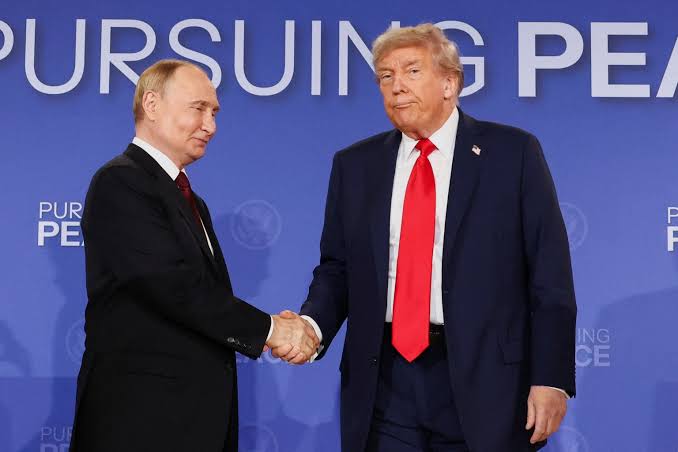
United States President Donald Trump has announced an agreement with Russian President Vladimir Putin for Russia to supply large quantities of diesel fuel to the United States and international markets, a move that has sparked criticism from Ukraine and some American lawmakers.
Trump announced the agreement on Friday, October 9, following a telephone conversation with Putin. He said Russia would immediately supply more than 300,000 metric tonnes of diesel, followed by another 500,000 tonnes in November and an additional one million tonnes shortly afterwards.
The American president also indicated that further shipments could follow, depending on the condition of Russia’s diesel refineries.
According to reports by Reuters and The Associated Press, the agreement is intended to increase fuel supplies amid rising energy prices. Trump said reducing fuel costs for Americans, particularly farmers, ranchers and truckers, was a major priority for his administration.
US Eases Restrictions on Russian Fuel
Following Trump’s announcement, the US Treasury Department issued a temporary licence easing sanctions on certain Russian diesel shipments. The measure allows qualifying shipments to enter the market under the temporary arrangements.
The development represents a significant shift in Washington’s approach to Russian energy exports, given the sanctions imposed on Moscow over its war against Ukraine.
However, details concerning the payment arrangements and any concessions exchanged between the two governments have not been fully disclosed.
Ukraine Criticises the Agreement
Ukrainian President Volodymyr Zelenskyy criticised the deal, arguing that allowing Russia to earn more money from fuel exports could help Moscow sustain its military campaign.
Zelenskyy described the decision as a weak move by Ukraine’s partners and warned that additional revenue for Russia could undermine efforts to end the conflict.
Some American lawmakers have also questioned the decision, arguing that easing restrictions could weaken pressure on Moscow while the war continues.
Will the Deal Reduce Fuel Prices?
Although the agreement could increase available diesel supplies, energy analysts have expressed doubts about whether it will produce a sustained reduction in fuel prices.
The impact will depend on the quantity of fuel delivered, market conditions and other disruptions affecting global energy supplies.
For now, the agreement has brought renewed attention to the relationship between Washington and Moscow, as well as the challenge of balancing energy costs with efforts to pressure Russia over the war in Ukraine.
Utelnova will continue to follow developments surrounding the agreement and its potential implications for global energy markets and international relations.
Source: Reuters and The Associated Press.
Discover more from UTELNOVA
Subscribe to get the latest posts sent to your email.

