
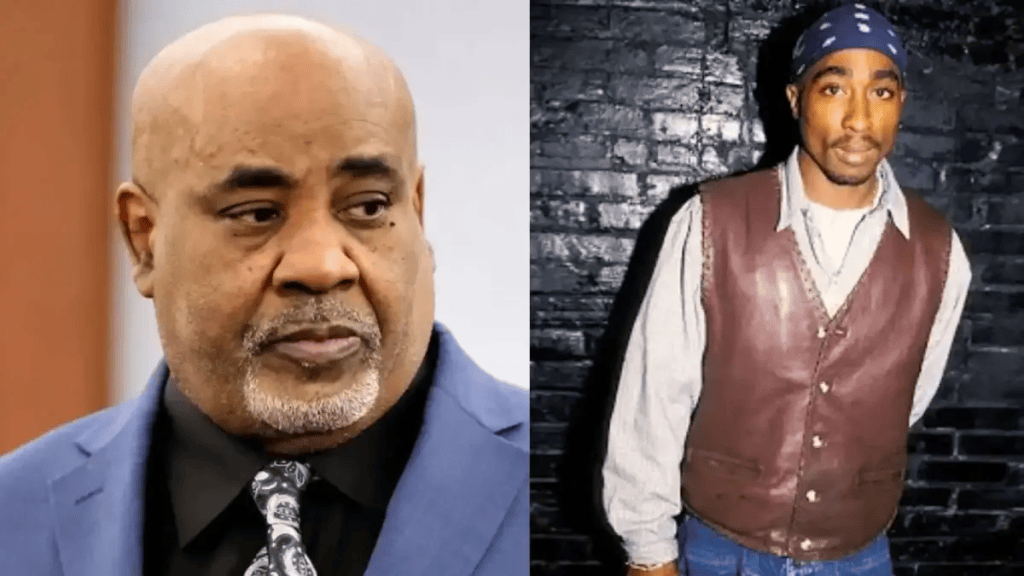
Duane “Keffe D” Davis, the only person charged in connection with the 1996 murder of American rap legend Tupac Shakur, has been convicted of first-degree murder and sentenced to 40 years in prison, with the possibility of remaining behind bars for life.
A Las Vegas court handed down the sentence on Tuesday, nearly 30 years after Shakur was shot near the Las Vegas Strip on September 7, 1996. The jury reportedly reached its verdict on August 31, 2026, after deliberating for less than three hours.
The sentence means Davis faces at least 40 years in prison, subject to applicable release rules, and could spend the remainder of his life behind bars.
During the sentencing, Judge Carli Kierny said Davis must be held accountable for taking Shakur’s life and depriving his family of the opportunity to share a future with the rapper.
Kierny also noted that justice had taken decades to arrive, telling Davis that he would finally face the consequences of the killing.
“Took us 30 years, but at this time, you are going to face justice for what you did on September 7, 1996,” she said.
Davis was credited with 731 days already spent in custody as part of his sentence.
Prosecutors alleged that Davis, a former leader of the Southside Compton Crips gang, orchestrated the attack on Shakur in retaliation for an altercation involving the rapper’s entourage and Davis’ nephew, Orlando Anderson, at the MGM Grand hotel earlier that night.
Shakur, who was 25 at the time, was travelling in a car with Marion “Suge” Knight when gunmen opened fire on the vehicle. The rapper sustained four gunshot wounds and died six days later, on September 13, 1996.
According to prosecutors, Davis helped organise the attack but did not personally pull the trigger.
During the court proceedings, Shakur’s sister, Sekyiwa Shakur, spoke about the devastating impact her brother’s death had on their family, describing decades of emotional and psychological pain.
“The loss of Tupac, for a long time, crippled my entire family, emotionally and mentally,” she told the court.
She added: “I spent 30 years without my protection.”
Shakur’s stepbrother, Maurice “Mopreme” Shakur, also described the loss as deeply painful, highlighting the experiences the rapper was denied, including raising children and watching his nieces and nephews grow up.
Investigators built their case against Davis partly on statements he made during interviews and documentaries, as well as accounts contained in his 2019 memoir, in which he discussed events surrounding the killing.
The conviction has also renewed public attention on the unsolved 1997 murder of fellow rap star Christopher Wallace, popularly known as The Notorious B.I.G. or Biggie Smalls.
Davis had previously made allegations involving music executive Sean “Diddy” Combs in connection with the broader circumstances surrounding the killings. Combs has denied the allegations, and the claims remain distinct from the conviction in Shakur’s murder case.
Discover more from UTELNOVA
Subscribe to get the latest posts sent to your email.

