
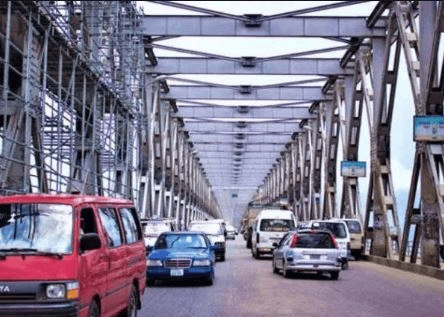
The reopening restores a major transport link between the South-East and South-South after weeks of disruption caused by emergency rehabilitation work.
The Federal Government has reopened the First Niger Bridge linking Onitsha, Anambra State, to Asaba, Delta State, after 38 days of closure for emergency rehabilitation.
The bridge was reopened on Thursday, October 15, by the Minister of Works, David Umahi, following repairs aimed at improving its structural safety and restoring normal movement between the two regions.
The bridge was closed on September 7 after concerns were raised about vandalised structural components, including missing bolts and damaged sections of its expansion-joint steelwork. The reopening was delayed beyond the original September 21 deadline because persistent rainfall affected the rehabilitation work.
What Has Changed on the Bridge?
According to reports, the rehabilitation included repairs to the bridge, improvements to its road surface, and the installation of solar-powered streetlights and closed-circuit television cameras.
The Federal Government also introduced median barriers and three designated turnaround points to improve traffic management during emergencies and vehicle breakdowns.
Umahi said security observation centres were being established at both ends of the bridge to strengthen monitoring and protect the ageing structure.
Relief for Commuters and Businesses
The reopening is expected to ease transportation difficulties for motorists, traders and other commuters who had to rely on alternative routes during the closure.
The First Niger Bridge is a major transport connection between Nigeria’s South-East and South-South regions. Disruptions to movement across the bridge can affect the transportation of goods, daily commuting and commercial activities between the two areas.
The bridge, completed in 1965, remains an important part of Nigeria’s road transport network.
Government Warns Against Activities That Could Damage the Bridge
During the reopening, the Minister of Works also raised concerns about alleged sand dredging around the bridge.
He warned that dredging within a 10-kilometre radius of federal bridges was prohibited under government regulations and directed relevant officials in Anambra and Delta states to enforce the restriction.
Although the bridge has reopened, reports indicate that some finishing work was still ongoing. The rehabilitation is intended to improve safety, but continued maintenance and protection of the structure remain important.
For commuters and businesses that depend on the route, the reopening marks the return of a crucial transport connection after more than a month of disruption.
Utelnova will continue to follow developments concerning Nigeria’s major roads, bridges and public infrastructure.
Discover more from UTELNOVA
Subscribe to get the latest posts sent to your email.

