
Rwanda has secured a 10-year agreement to bring Formula One racing back to Africa for the first time since 1993, marking a major development for the continent’s motorsport industry.
The agreement, announced on October 13, 2026, will see Rwanda host the Formula One African Grand Prix in the early 2030s, subject to the completion of a purpose-built racing circuit.
The announcement was made by Formula One, Rwanda’s President Paul Kagame and the sport’s governing body, the Fédération Internationale de l’Automobile (FIA).
The development has attracted international attention, with supporters describing it as an opportunity to expand African participation in one of the world’s most prestigious sporting competitions.
Where Will the African Grand Prix Take Place?
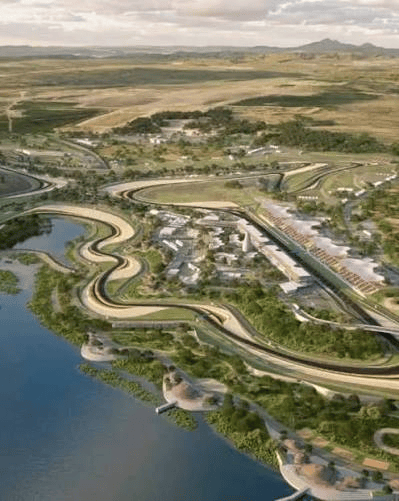
The proposed circuit will be located in Bugesera, approximately 40 kilometres south of Rwanda’s capital, Kigali, near the new Kigali International Airport.
The track is planned as a modern Formula One facility designed to meet the FIA’s Grade One standards, which are required for hosting Formula One races.
Its proposed design will incorporate the area’s natural landscape and elevation changes to create a challenging racing experience for drivers and an exciting spectacle for spectators.
However, the circuit has not yet been completed, and organisers have not announced a confirmed date for the inaugural race.
Why Rwanda’s Deal Matters for Africa
Formula One last held a race on African soil in 1993, when South Africa hosted the championship at the Kyalami circuit.
Rwanda’s agreement therefore represents a significant step towards restoring Africa’s place on the sport’s international calendar after more than three decades.
The project is also part of Rwanda’s broader strategy to attract international events, increase tourism and strengthen its position as a destination for global investment.
If successfully delivered, the Grand Prix could create opportunities in hospitality, transportation, event management and other businesses connected to international sporting events.
It could also encourage more young Africans to explore careers in motorsport engineering, technology and related industries.
Could Other African Countries Benefit?
Rwanda’s selection does not necessarily mean that other African countries will be excluded from future Formula One opportunities.
South Africa has also pursued a return to the championship, while other countries have expressed interest in hosting major international sporting events.
The success of Rwanda’s project could strengthen the case for further investment in African sporting infrastructure.
However, hosting a Formula One race requires substantial investment, reliable infrastructure, international-standard facilities and careful long-term planning.
The benefits for local communities will depend on how the project is financed, delivered and managed.
The Controversy Behind the Grand Prix
Despite the excitement surrounding the announcement, the project has also attracted criticism.
Human rights organisations have raised concerns about Rwanda’s human rights record, while allegations concerning the country’s involvement in the conflict in neighbouring Democratic Republic of Congo have added to the debate.
Critics have questioned whether major sporting partnerships can improve a country’s international image without adequately addressing wider political and human rights concerns.
Rwanda’s government has presented the Grand Prix as an investment in tourism, infrastructure and economic development.
These competing perspectives mean that the project’s eventual impact will be judged not only by the race itself but also by its costs, transparency and benefits for the wider population.
What Happens Next?
For now, attention will turn to the development of the proposed circuit and the preparations needed to bring Formula One back to Africa.
The inaugural race is expected in the early 2030s, but a specific year and race date have not yet been confirmed.
For African motorsport fans, Rwanda’s agreement offers the prospect of watching the world’s leading racing championship return to the continent.
Whether it becomes a lasting success will depend on the country’s ability to complete the project and deliver meaningful benefits beyond the race weekend.
Utelnova will continue to follow developments surrounding Rwanda’s Formula One project and its implications for African sports.
Discover more from UTELNOVA
Subscribe to get the latest posts sent to your email.

