
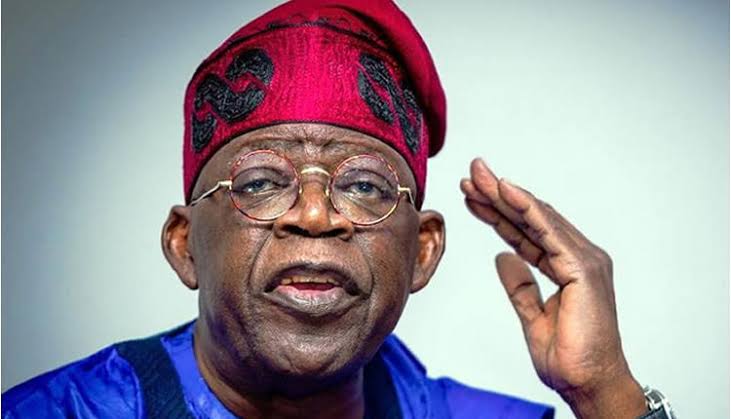
President Bola Tinubu has welcomed the World Bank’s latest economic report, saying his administration’s reforms are beginning to deliver results as the bank projects Nigeria’s economy to grow by an average of 4.4 per cent annually between 2026 and 2028.
Tinubu made his position known following the release of the World Bank’s October 2026 Nigeria Development Update, which examined the country’s economic performance, government revenues and the role of state governments in improving living standards.
According to the report, Nigeria’s economy grew by 4.2 per cent in the first half of 2026, compared with 3.9 per cent during the corresponding period in 2025.
The World Bank attributed the country’s economic resilience partly to reforms introduced since 2023, including the removal of petrol subsidies and changes to the foreign exchange market.
World Bank Highlights Economic Improvements
The World Bank said the reforms had helped increase government revenues and provided state governments with additional resources to invest in infrastructure and public services.
The report also indicated that Nigeria’s poverty rate had stabilised for the first time since 2019, although the bank stressed that further efforts would be needed to achieve sustained poverty reduction.
It projected that inflation could decline to approximately 12 per cent by 2028, provided economic conditions improve and the government maintains its reform programme.
However, higher international fuel prices linked to tensions in the Middle East have interrupted the recent decline in inflation.
Tinubu Says Reforms Are Delivering Results
Reacting to the report, Tinubu said the findings showed that the government’s economic policies were helping to stabilise the economy and create opportunities for further growth.
The President highlighted the importance of increased revenue for federal, state and local governments, arguing that the additional funds could support investments that benefit Nigerians.
He also acknowledged that more work remained to ensure that economic improvements translated into lower food prices, decent jobs and better living conditions for households.
Tinubu urged state governments to use their increased revenues responsibly, prioritising projects that improve the welfare of their residents.
What the Forecast Means for Nigerians
Although a higher growth forecast signals improved expectations for Nigeria’s economy, its impact on ordinary citizens will depend on whether growth creates jobs, strengthens purchasing power and reduces the cost of living.
Many households continue to face pressure from food prices, transportation costs and other essential expenses.
The World Bank has therefore emphasised the need for more inclusive growth, improved public spending and greater investment in areas that can raise productivity and create employment.
For Nigeria, the challenge is no longer just achieving economic growth but ensuring that its benefits reach people across different income groups and communities.
As the country moves towards 2028, Nigerians will be watching to see whether the projected growth translates into more jobs, affordable living costs and measurable improvements in their daily lives.
Discover more from UTELNOVA
Subscribe to get the latest posts sent to your email.

