
“
Utelnova | Business & African News | October 12, 2026
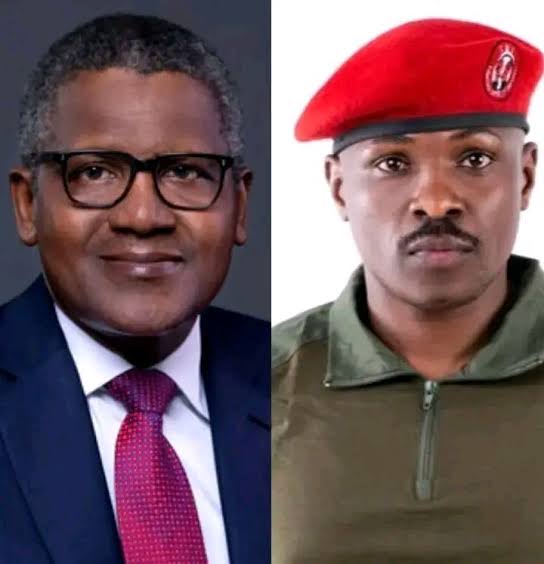
A Kenyan presidential aspirant, Patrick Osoi, has warned Nigerian billionaire Aliko Dangote not to rush ahead with his proposed $16 billion oil refinery project in Kenya, declaring that he would prefer local investors to undertake the project if he becomes president.
Osoi made the remarks while addressing supporters at a Lions Movement event. A video of his comments began circulating widely on Sunday, October 11, attracting attention because of the scale of Dangote’s proposed investment in East Africa.
“I want to tell Aliko Dangote, please don’t rush to start the refinery because, when I’m sworn in as President of Kenya next year, you will be heading back to Nigeria,” Osoi said.
He argued that Kenyan businesspeople had the capacity to establish a refinery without relying on the Nigerian industrialist.
“We Kenyans have business people who can start the refinery. We also have business people in this country who can do that job,” he added.
Dangote’s ambitious refinery project
The comments come after Dangote and Kenyan President William Ruto participated in the groundbreaking ceremony for the proposed refinery in Lamu County on September 30, 2026.
The project, estimated to cost $16 billion, is planned to process up to 700,000 barrels of crude oil per day when completed. It is intended to strengthen regional refining capacity and reduce East Africa’s dependence on imported petroleum products.
The refinery is also expected to serve markets beyond Kenya, potentially supplying neighbouring countries and other parts of the region.
Dangote’s expansion into Kenya forms part of his wider ambition to increase industrial investment across Africa and encourage the processing of African raw materials within the continent.
Local investment versus foreign capital
Osoi’s remarks have brought attention to a wider debate over whether major industrial projects should be driven primarily by domestic investors or international business groups.
His position is that Kenyan entrepreneurs should be given the opportunity to build the refinery themselves. However, he has not publicly detailed how his proposed administration would finance such a project, where the required capital would come from, or how quickly a locally financed alternative could be delivered.
A refinery of this proposed size would require substantial funding, technical expertise, infrastructure and a reliable supply of crude oil.
Legal and environmental concerns
The proposed refinery has also faced concerns from some local residents over land ownership, compensation and potential environmental effects.
Legal disputes involving the project have added another dimension to the debate surrounding its development. These issues could influence how the project proceeds and how affected communities are consulted.
Nevertheless, the refinery remains a significant proposed investment for Kenya and the wider East African energy market.
What happens next?
Osoi’s statement represents his position as a presidential aspirant; it does not mean that Dangote has been ordered to abandon the project or that Kenya’s government has cancelled it.
The refinery’s future will depend on the project’s financing, legal processes, government decisions and the progress of construction.
For now, the exchange has raised a major question about Africa’s industrial future: how can countries encourage local businesses to grow while attracting the capital and expertise needed for large-scale development?
Utelnova will continue to follow developments surrounding Dangote’s refinery project and the debate over local investment in Kenya.
Discover more from UTELNOVA
Subscribe to get the latest posts sent to your email.

